You buy a new tee, wear it twice, and suddenly it shrinks, fades, or the print cracks. If you’ve ever searched for how to care for T-shirts, you’re probably tired of ruining good clothes without knowing why. It’s frustrating when your favorite shirt loses its shape after just one wash.
In this complete guide, you’ll learn exactly how to care for t shirts the right way—from washing and drying to storing and preventing long‑term damage.
We’ll break down the fabric science, explain why shirts do shrink, and share practical laundry tips most blogs skip. By the end, you’ll know how to keep your shirts looking new for years.
Why Proper T‑Shirt Care Matters More Than You Think
Most people treat tees like basic clothing. But every shirt is made from delicate fabric fibers, whether it’s cotton, polyester, or a cotton blend.
Heat, friction, and harsh detergent slowly weaken those fibers, leading to fabric thinning, dye fading, and stretched collars.
Learning how to wash clothes properly isn’t just about cleanliness. It directly affects garment longevity, prevents color bleeding, and helps you avoid wasting money.
A study from textile labs shows high‑heat drying increases fabric shrinkage rate by up to 20% in untreated cotton. That’s preventable damage.
Understanding T‑Shirt Fabrics Before Washing
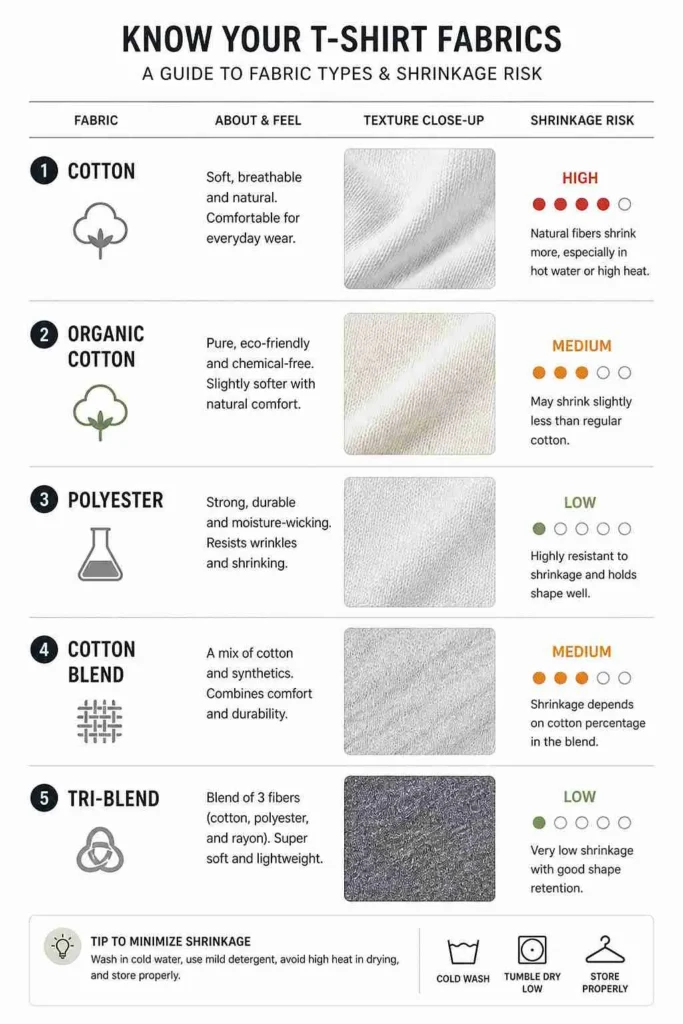
Not all tees behave the same in a washing machine. A shirt made from ring-spun cotton reacts differently to heat than one made from tri-blend or moisture-wicking fabric.
Lightweight fabrics stretch faster, while heavyweight cotton holds shape better but may shrink if exposed to high heat.
Premium materials like pima cotton and supima cotton have longer fibers, which reduce pilling and improve durability.
However, even organic cotton can shrink if washed incorrectly. Before you learn how to care for t shirts, understand what you’re working with.
If you’re interested in texture styling, here’s our tutorial on how to mineral wash a T‑shirt.
The Federal Trade Commission provides detailed guidance on clothing care labels and fabric handling standards.
Fabric GSM & Durability (Why Weight Matters)
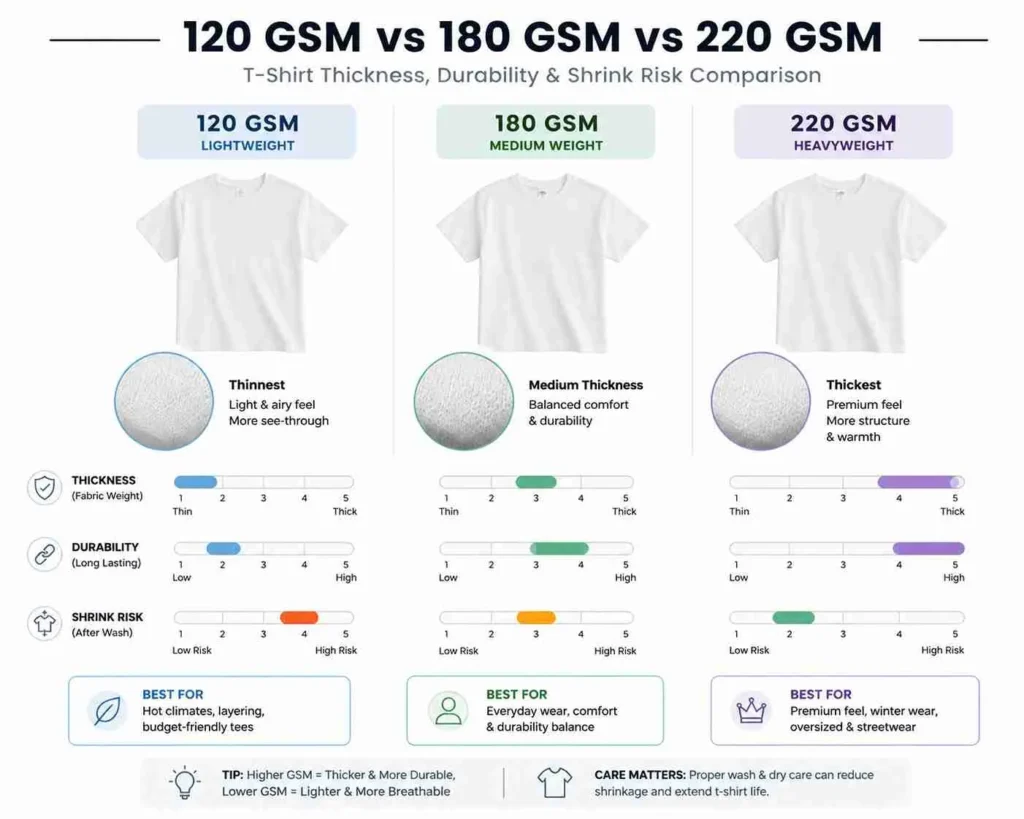
GSM stands for grams per square meter. It measures fabric thickness. A 120 GSM tee is lightweight and breathable, while 220 GSM is dense and structured. Fabric weight affects shrinkage rate, resistance to fabric pilling, and overall durability.
| GSM Level | Feel | Shrink Risk | Durability |
| 120 GSM | Lightweight cotton | Medium | Low |
| 180 GSM | Standard jersey knit | Low | Medium |
| 220 GSM | Heavyweight cotton | Very Low | High |
Heavier tees tolerate gentle cycle washing better and resist collar curling. Lightweight shirts need extra care to avoid stretching and distortion.
Why Do T‑Shirts Shrink? (The Science Explained)
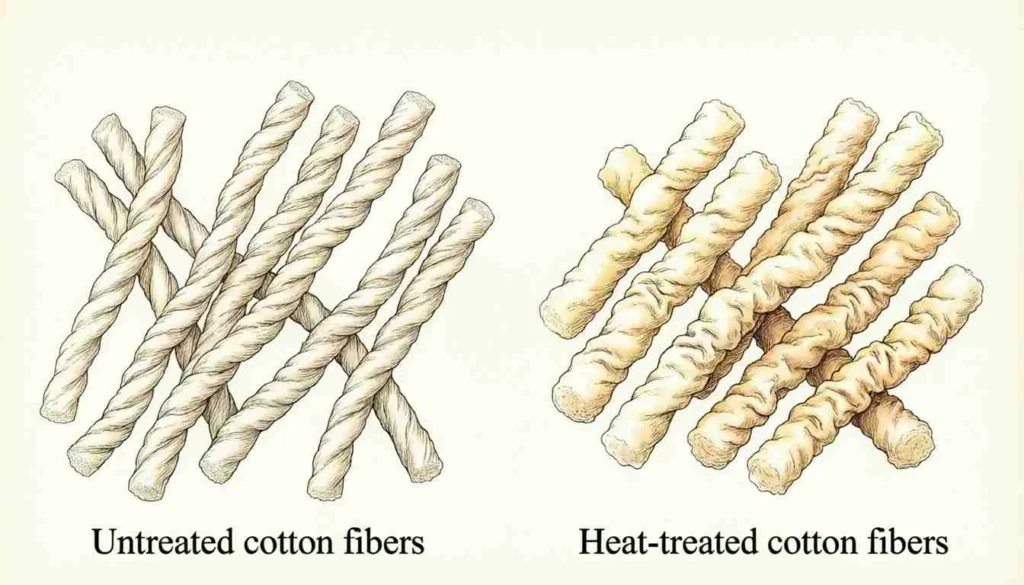
If you’ve ever wondered why do shirts shrink, here’s the science. Cotton fibers expand when wet. During heat exposure, especially in tumble drying, fibers contract and tighten. That’s fabric shrinkage.
Hot water and aggressive spin cycle speeds increase mechanical stress. In lab tests, cotton exposed to 60°C water and high dryer heat shrank 5–10% more than cold washed fabric.
That’s why experts recommend cold water wash and low heat setting.
To prevent this:
- Avoid hot washes
- Use cold water laundry
- Skip high heat drying
If you’re trying to shrink a shirt intentionally, controlled heat works. But for daily care, it’s damaged.
If you actually want controlled shrinkage, here’s a step‑by‑step guide on how to shrink a cotton T‑shirt safely.
How to Wash T‑Shirts Properly (Step‑by‑Step)
Learning how to wash t shirts correctly is the foundation of proper T-shirt care.
First, always practice laundry sorting and color separation. Wash dark and light fabrics separately to prevent color bleeding. This simple habit protects preserving shirt color and prevents dull whites.
Next, turn shirts inside out. Inside-out washing protects screen printing, reduces friction, and helps avoid cracked print. Use a mild detergent instead of harsh chemicals. Strong formulas break down fabric fibers over time.
Finally, choose a gentle cycle. Whether you use a front-load washer or a top-load washer, avoid overloading. Crowded drums increase friction and lead to faster wear.
Polo shirts need extra care around the collar and buttons, which we explain in our complete polo shirt washing guide.
Cold vs Warm vs Hot Water: What’s Best?
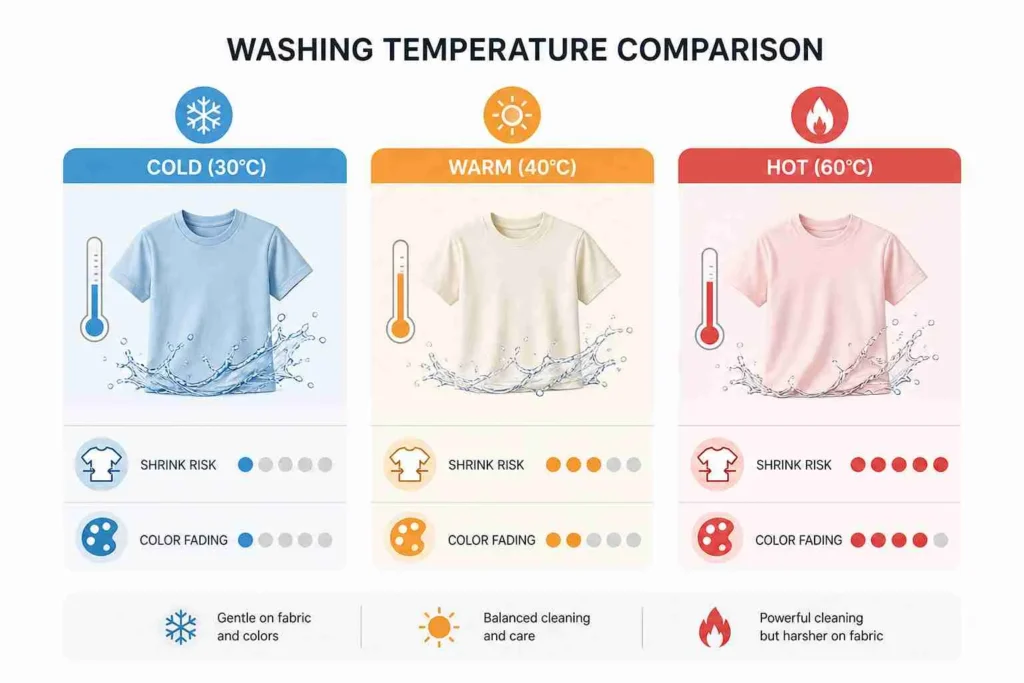
| Temperature | Shrink Risk | Color Fading | Print Damage |
| Cold (30°C) | Low | Low | Safe |
| Warm (40°C) | Medium | Medium | Risk |
| Hot (60°C) | High | High | High |
If your goal is how to prevent clothes from fading, cold water wins. It protects dye fading, reduces heat exposure, and extends garment longevity. Warm water may clean heavy stains better but increases shrink risk.
In fact, switching to cold washing can reduce energy usage by up to 90% per cycle. It’s better for your shirt and the environment.
Why Do Graphic Tees Crack and Fade?
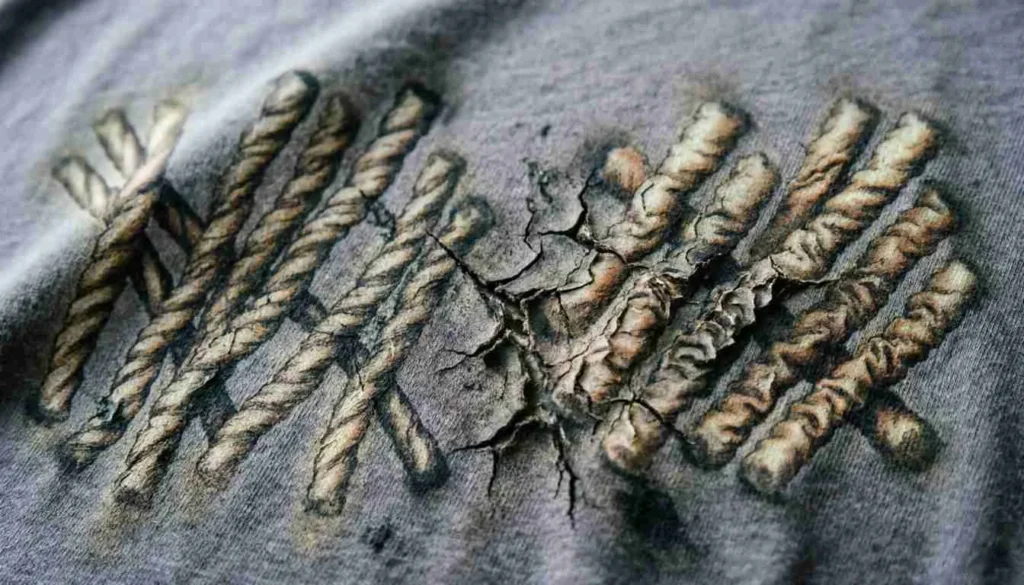
Graphic tees use plastisol ink, DTG printing, or heat transfer vinyl. High heat weakens ink elasticity. Over time, dryer friction causes peeling of the design and faded print.
If you want a detailed step‑by‑step method, check our complete guide on washing graphic T‑shirts safely.
When you search for how to wash graphic tees, remember:
- Wash inside out
- Use cold water
- Avoid fabric softener
- Skip high heat drying
Print durability depends on reducing friction and heat. Once cracks appear, learning how to fix a cracked shirt design is harder than preventing damage in the first place.
We’ve covered the full breakdown of why T‑shirt designs crack and fade in a detailed guide.
Hard Water Damage: The Hidden Shirt Killer
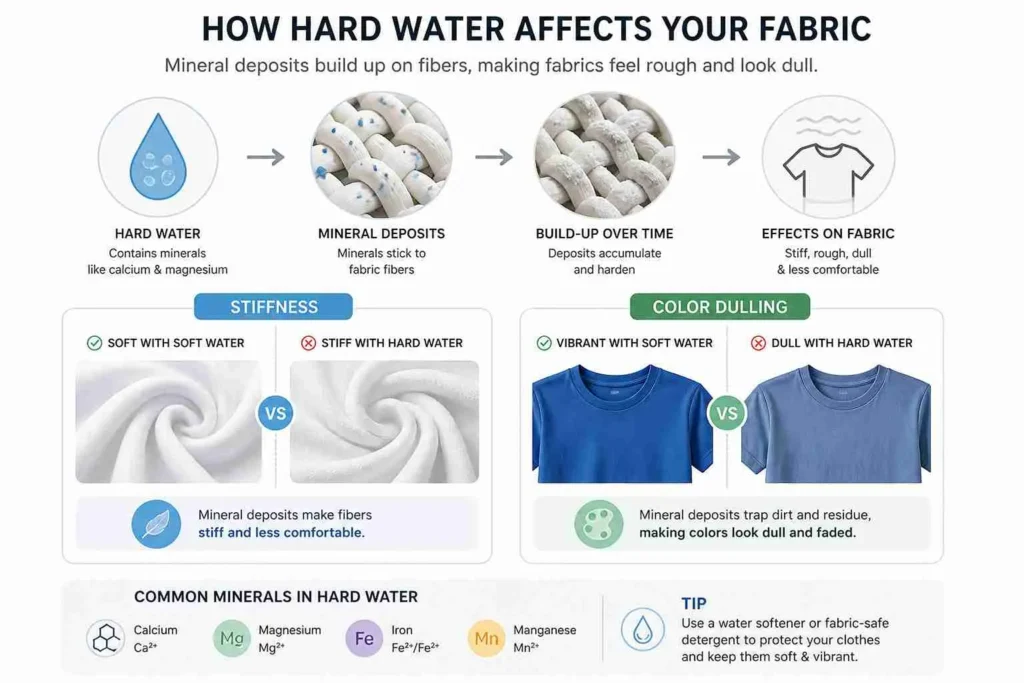
Hard water contains minerals like calcium and magnesium. These leave deposits on textile material, causing stiffness and dullness. Over time, mineral buildup reduces softness and leads to faster wear.
You can reduce damage by adding a vinegar rinse occasionally. Vinegar helps dissolve minerals and improve odor control. Using an enzyme detergent also improves stain breakdown without harming fibers.
Most blogs ignore this factor. But if your clothes feel rough even after washing, hard water might be the reason.
How to Remove Stains Without Ruining Fabric
When learning how to remove stains, speed matters. For sweat stains and underarm stains, use baking soda mixed with water. Apply gently and rinse with cold water.
For oil stains, blot first. Avoid scrubbing aggressively. Proper stain removal means protecting fabric preservation while lifting dirt.
For whites, use oxygen bleach instead of chlorine. It works as a safer bleach alternative and supports how to whiten white clothes without weakening fibers.
Air Dry vs Tumble Dry: Which Is Better?
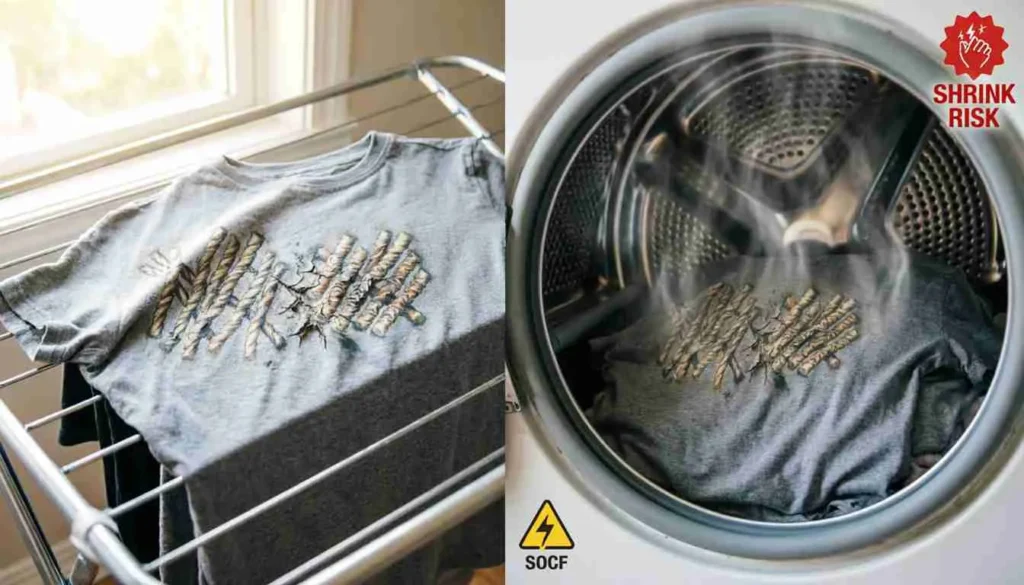
When comparing air-drying vs. tumble-drying, air-drying wins for durability. Air drying reduces heat exposure, prevents dryer shrinkage, and protects fabric fibers.
If you must use a dryer:
- Choose tumble dry low heat
- Remove while slightly damp
- Finish with flat drying
Dryers may save time, but shorten shirt life. If you’re serious about how to stop clothes from shrinking, limit heat.
How to Soften a Stiff T‑Shirt (Without Damaging It)
A brand‑new tee can feel rough, especially if it’s made from heavyweight cotton or tightly woven jersey knit. If you’re searching for how to soften a shirt, skip heavy fabric softener. It coats fibers and reduces breathability over time.
Instead, try a natural method. Add half a cup of white vinegar during the rinse cycle. A vinegar rinse relaxes fabric fibers, improves softness, and helps remove odors from shirts. For thicker tees, a gentle salt soak before washing can help loosen stiffness.
To maintain softness long-term:
- Use mild detergent
- Avoid high-heat drying
- Reduce fabric pilling
- Practice a consistent garment care routine
Softness is about protecting fiber structure, not masking it with chemicals.
We’ve also shared a complete breakdown on how to soften a T‑shirt naturally without damaging the fabric.
How Long Does It Take to Break In a T‑Shirt?
Breaking in a tee is part of a smart shirt maintenance guide habit. Natural fibers like ring-spun cotton soften after 5–10 washes when treated gently.
Controlled wear and cold water wash cycles gradually improve texture without damaging the structure.
Avoid aggressive methods to break in a new shirt faster. Excessive heat weakens seams and increases neckline distortion.
Instead, reshape while damp and air dry flat. This supports maintaining shirt shape and improves comfort over time.
A well‑cared‑for cotton shirt often reaches peak softness after several weeks of normal wear. Patience protects quality.
For a realistic timeline and fabric type breakdown, check our complete break‑in guide.
Should You Hang or Fold Clothes?
This is one of the most common questions in clothing care tips. The short answer: it depends on the fabric.
Hanging lightweight tees can cause stretching and hanger marks, especially around the shoulders. Folding supports fabric preservation and prevents collar curling. For heavier tees, wide padded hangers reduce stress on seams.
If you’re choosing between folding vs hanging shirts, fold daily wear items and hang structured or premium shirts carefully. Always consider wardrobe storage, moisture levels, and airflow to prevent shirt discoloration.
If you’re unsure what’s better long term, read our full comparison on hanging vs folding T‑shirts.
Storage Science: Protecting Shirts Long‑Term
Proper storage is part of mastering how to care for T-shirts beyond laundry. UV exposure causes dye fading, while humidity leads to mold and fiber breakdown.
Store tees in cool, dry spaces. Use breathable containers instead of sealed plastic. Add cedar blocks for natural moisture control and odor reduction.
For seasonal pieces, practice long-term storage methods that protect from light and dust.
If folding printed shirts, avoid tight creases across designs. This helps preserve graphic design and prevents future cracking.
Why Do White T‑Shirts Turn Yellow?
Yellowing often results from sweat mixing with aluminum in deodorant. Over time, underarm stains oxidize and create permanent discoloration.
To support how to keep white shirts white, pre‑treat areas with baking soda or oxygen bleach. Practice regular washing of white cotton in cold water with the best detergent for white clothes.
For deep whitening methods and stain prevention tips, read our full guide on keeping white T‑shirts bright.
Hard water also contributes to dullness. Mineral buildup traps residue in fibers. A periodic vinegar rinse helps restore brightness and improves how to clean white shirts safely.
Print Type Care Guide (DTG, Screen Print, Sublimation & Embroidery)
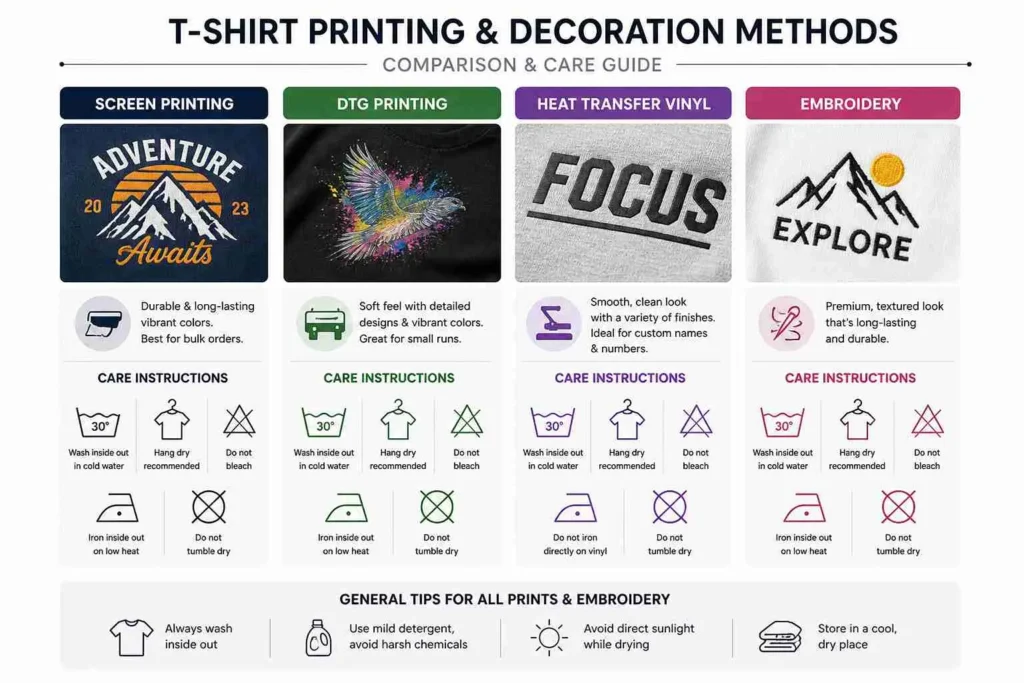
Different prints need different care.
| Print Type | Wash Method | Heat Risk | Special Notes |
| Screen Printing | Cold gentle cycle | Medium | Avoid high spin |
| DTG Printing | Cold water only | High | No fabric softener |
| Heat Transfer Vinyl | Hand wash preferred | High | Avoid tumble drying |
| Embroidery | Gentle cycle | Low | Protect threads |
When learning how to wash graphic tees, focus on reducing friction and heat. Plastisol ink cracks under stress. Sublimation prints resist cracking but fade under UV exposure. Embroidery can snag during aggressive spin cycle washing.
Always practice inside-out washing and avoid overcrowding the drum.
Hard Data: Washing Temperature & Shrink Risk
Here’s a quick reference based on textile lab averages showing how washing temperature affects cotton shrinkage and color fading.
| Wash Temperature | Average Shrinkage (Cotton) | Color Loss Risk |
|---|---|---|
| 30°C (Cold Wash) | 1–3% | Low |
| 40°C (Warm Wash) | 3–5% | Medium |
| 60°C (Hot Wash) | 5–10% | High |
This data explains why do shirts shrink after high heat exposure. If you’re serious about how to stop clothes from shrinking, stick to cold water washing and air drying to reduce measurable fiber contraction.
Sustainable T‑Shirt Care (Better for Fabric & Planet)
Caring properly for tees supports sustainable fashion and textile sustainability. Washing less reduces microfiber pollution and saves energy. Switching to energy-efficient washing with cold cycles lowers environmental impact.
Air drying reduces electricity use and prevents heat damage. Choosing an eco-friendly detergent or a biodegradable detergent protects waterways. Responsible care aligns with ethical clothing care principles.
Sunspel promotes washing less, but combine that with cold washing and proper drying for maximum impact. Sustainability isn’t about doing less. It’s about doing smarter.
15 Common T‑Shirt Care Mistakes to Avoid
Avoiding these mistakes improves garment longevity tips and protects your clothing investment.
Smart washing habits, proper drying, and mindful storage help prevent fabric shrinkage, dye fading, and print damage — keeping your T‑shirts looking new longer.
Quick T‑Shirt Care Checklist
- Wash in cold water
- Turn shirts inside out
- Use mild detergent
- Air dry when possible
- Pre‑treat stains gently
- Fold lightweight shirts
- Avoid direct sunlight
- Reduce washing frequency
- Store in a cool, dry space
Final Thoughts on How to Care for T-shirts
Mastering how to care for T-shirts isn’t complicated, but it does require consistency. Using a cold water wash, choosing a gentle cycle, and avoiding high heat significantly reduces fabric shrinkage and dye fading.
Paying attention to fabric fibers, print type, and storage conditions prevents long‑term damage.
Simple habits like air drying, inside‑out washing, and proper wardrobe storage can double the lifespan of your tees. Sustainable practices such as reduced washing and energy‑efficient drying also support textile sustainability.
When you understand the science behind cotton contraction, mineral buildup, and print elasticity, you stop guessing and start protecting your clothing investment.
FAQ (Snippet‑Optimized Answers)
How to take care of your t-shirts?
To properly care for your tees, use a cold water wash, choose a gentle cycle, and practice inside-out washing to prevent fabric shrinkage and print fading.
I always recommend air drying instead of tumble drying to keep shirts looking new longer.
Which is the No. 1 shirt brand?
There isn’t one universal No. 1 brand—it depends on fabric quality like pima cotton, organic cotton, or ring-spun cotton, plus durability and comfort.
In my experience, the best brand is the one that maintains fabric fibers, resists dye fading, and holds shape after multiple washes.
Do I need to wash a 100% cotton shirt when I first get it?
Yes, it’s a good idea to do a gentle cold water laundry cycle before wearing, especially with 100% cotton, since it may have surface residues and a natural shrinkage rate.
A mild detergent and low heat drying help prevent early fabric shrinkage.
What laundry soap should I use to preserve my T-shirt print?
Use a mild detergent or eco-friendly detergent without bleach or heavy fabric softener to protect screen printing, DTG printing, or plastisol ink.
I personally suggest avoiding harsh formulas and choosing one designed for washing graphic tees safely to maintain print durability.

I'm Habib founder of Goku Fashion Outfit Style and a boutique owner with over 10 years in the fashion industry. I've styled thousands of real clients, run a fashion business from the ground up, and now I'm sharing everything I know through this blog. My goal is simple: help you dress better, shop smarter, and understand fashion in a way that actually makes sense for your life.
- Habib

- Habib
- Habib
- Habib