If you’re like me, you’ve probably bought a T-shirt that looked perfect on the hanger but felt completely wrong once you wore it. Maybe the hem rides up, the sleeves pinch your arms, or the collar feels tighter than it should.
In this guide, I’ll walk you through simple, practical ways to tell if your T-shirt is too small without overthinking it.
You’ll learn quick mirror checks, easy movement tests, and smart measuring tips in inches so you can shop confidently both online and in-store.
We’ll show you exactly how to Know If T Shirt Is Too Small with quick mirror checks, movement tests, and fabric clues.
You’ll also learn fixes, care steps, and when to exchange so you keep the tees you love and ditch the ones that don’t fit.
What “too small” actually means for a T‑shirt
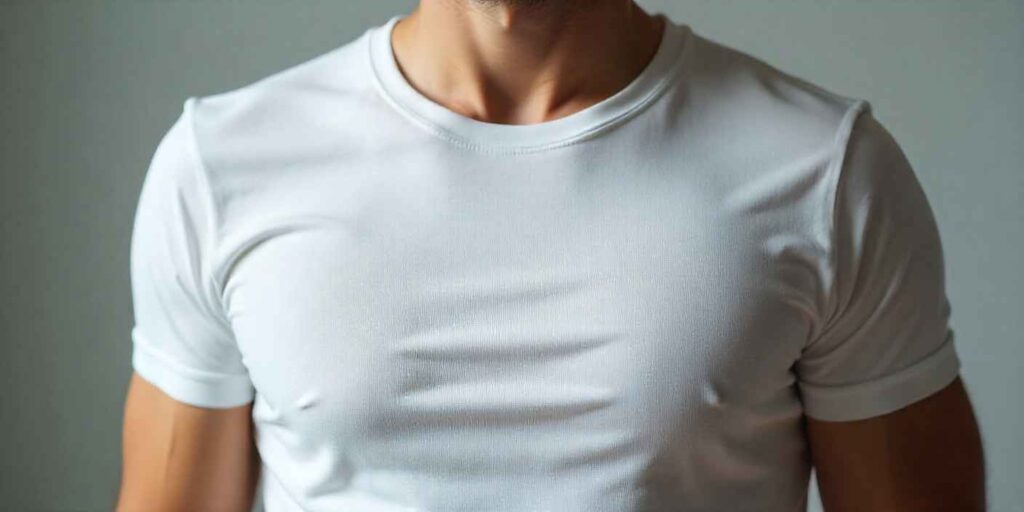
“ Too small’ means the fabric lacks ease and shows strain where you move most. Look for signs a shirt is too small, like pulling lines across the chest, tight shoulders, and restricted range of motion. Proper T-shirt care also plays a big role in maintaining fit over time.
A solid t shirt fit guide aims for comfort with clean drape, not cling. When in doubt, compare to your correct t shirt size that already feels good.
If you’re dialing in tee fit, check our post on whether to hang or fold t-shirts. It helps with t-shirt care and smart storage.
Quick fit check: a 30‑second mirror routine

In 30 seconds, you can spot how to tell if t shirt is too small: check shoulder seams, hem rise, sleeve pinch, and collar comfort while you move. Ask “is my t shirt too small?” then do a reach, hug, and overhead test to see if the fabric fights back. If you feel restriction or see chest pulling lines, you’ve got a fit issue. Use these quick checks before removing tags to simplify returns.
How to Check If Your T‑Shirt Is Too Small (Step-by-Step)
Step 1: Check that the shoulder seams sit exactly at the edge of your shoulders.
Step 2: Raise your arms overhead and see if the hem rides up too high.
Step 3: Take a deep breath — if you see pulling lines across the chest, it’s too tight.
Step 4: Hug yourself and check for restriction in the upper back.
Step 5: Slide two fingers inside the collar to test neckline comfort.
Shoulder placement: the seam landing zone
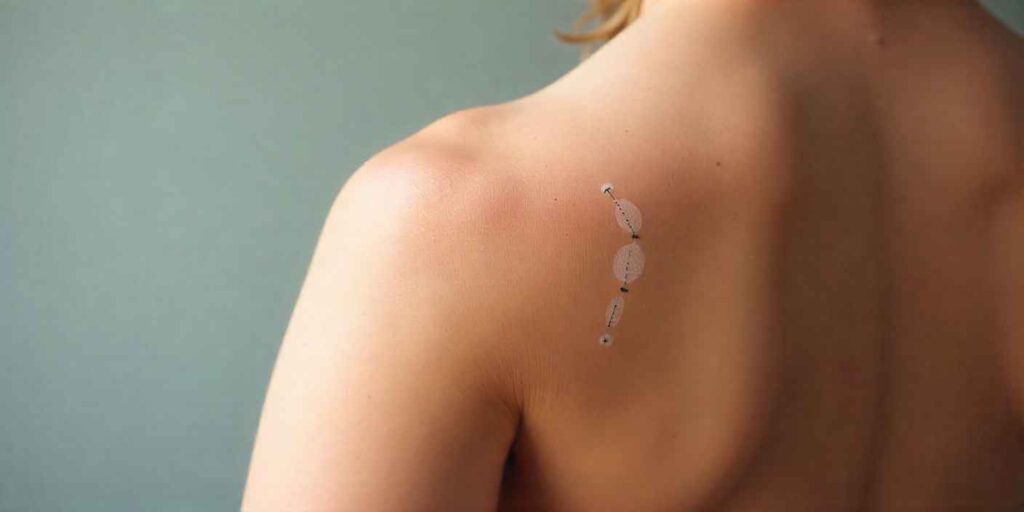
The seam should land at the bony tip of your shoulder (acromion) for ideal shoulder seam t shirt fit. If it creeps inward, the tee’s too narrow; if it drops, size or silhouette is off from how should a shirt fit on the shoulders. Watch for seam stress or puckering during movement. Accurate shoulder width alignment prevents upper‑body strain.
Chest fit: stretch lines and breathing room
If you see shirt pulling across chest when you inhale, ease is missing. Aim for a light pinch test at mid‑chest (about 1–2 in) to match how should a t shirt fit for comfort and mobility. That’s a reliable way to judge fit even without pulling out a tape measure. Relaxed breathing shouldn’t make the collar or chest feel locked down.
Sleeve fit: bicep pinch and opening width
Sleeves that dent your arm signal shirt too tight around biceps and poor snug fit. Compare your bicep circumference to the sleeve opening; leave light room for movement and airflow. If the chest fits but sleeves bite, choose “athletic/muscle” cuts with larger arm openings. You’ll get shape without pinch.
Neckline comfort: the two‑finger collar rule

Slide two fingers into the collar; if you can’t, it’s too tight by the two finger test for collar fit. A balanced collar on a crew neck returns to shape after stretching and won’t show neckline too tight signs. If the collar chokes when you raise your arms, that’s another red flag for sizing up. Favor sturdy rib knit that recovers after wear.
Torso length: the raise‑your‑arms ride‑up test
A tee that flashes skin when you reach is likely t shirt too short. Ask how long should a t shirt be for your torso length; for most, the hem lands around mid‑fly or just below the belt in the U.S. If the hem’s borderline, consider tall sizes. This simple reach test tells you in seconds whether the fit is actually wrong.
Hem behavior: cling, flare, or sit flat
A hem that clings signals tight waist or hip; flare can mean a narrow upper body relative to the waist seam. Check the hemline, body balance, and side seam alignment to diagnose issues. If you prefer structure, opt for a tapered t shirt fit that still sits flat. Smooth, even drape beats clingy or tent‑like shapes.
Underarm area: chafe, pinch, and mobility

Tight armholes cause armpit chafing t shirt discomfort and limit motion in the underarm and armhole. Choose breathable fabrics and enough ease for airflow and mobility. If the seam rubs when you reach forward, that’s a sign to size up or change cut. The right armhole rides close without biting.
Back view: fabric pulling across the shoulder blades
Turn around and scan for diagonal pulling lines across your upper back; they often appear during range of motion. Athletic lats or trapezius need more upper‑back ease to avoid binding. If back lines appear while the front looks fine, the tee is cut too narrow behind. That’s an easy sign to miss, but it’s one of the clearest ones.
Movement tests: reach, hug, and overhead range
The reach test exposes tight shoulders; the hug move checks chest and blade mobility; the overhead test reveals hem rise and collar choke.
Any sharp restriction means the size or cut isn’t right. If one test fails, try a different silhouette before changing size. These moves decide fast if a tee fits real life.
I’ve walked dozens of customers through this overhead raise test at the counter, and it catches a bad-fitting shoulder almost every time, usually faster than they expect.
Fabric and fiber: cotton vs blends and how they shrink
In my experience working with different cotton weights, heavier 220–240 GSM cotton holds shape better than lightweight 150–160 GSM fabric, which tends to shrink and cling more.
Most standard retail tees fall between 150–180 GSM, while premium heavyweight shirts usually start around 220 GSM.
Weight and drape: how GSM changes perceived tightness
Higher fabric weight (GSM) often feels denser and smoother, while low fabric GSM can cling and highlight lines. Understanding heavyweight vs lightweight t shirt fit helps separate fabric behavior from size. Heavier jerseys may feel snugger but hide outlines better. Match weight to climate and your style.
Cut and silhouette: slim, regular, boxy, oversized
Different t-shirt fit types change how size feels: slim fit tapers, regular fit balances, and oversized fit drops and drapes. Switching silhouettes can solve what feels like sizing issues. Many people confuse cut with size, but they’re not the same thing. Read product descriptions closely to pick the right cut.
T‑Shirt Too Small vs Just Slim Fit
Too Small:
- Visible pulling lines
- Restricted arm movement
- Tight collar
- Hem rides up easily
Slim Fit:
- Close to body but smooth
- No pulling across chest
- Full range of motion
- Hem stays in place
This clears up a common confusion when judging fit.
Body shape notes: broad shoulders, fuller midsection, athletic build
Match fit to build using body type and t shirt fit basics. For best t shirt fit for broad shoulders, prioritize seam placement; for best t shirt fit for a belly, focus on hem behavior and drape; for athletes, consider a relaxed fit in sleeves and chest. Comfort comes from balancing shape and size. Don’t force a silhouette that fights your body.
Men’s vs women’s tees: pattern and grading differences
Expect broader shoulders and straighter cuts in men’s sizing, and waist shaping and bust room in women’s sizing. Unisex sizing usually fits like men’s; many women size down or tailor. Check bust measurement and waist shape before ordering. Cuts differ, so map the pattern to your body, not the label.
Reading size charts: chest, length, and sleeve openings
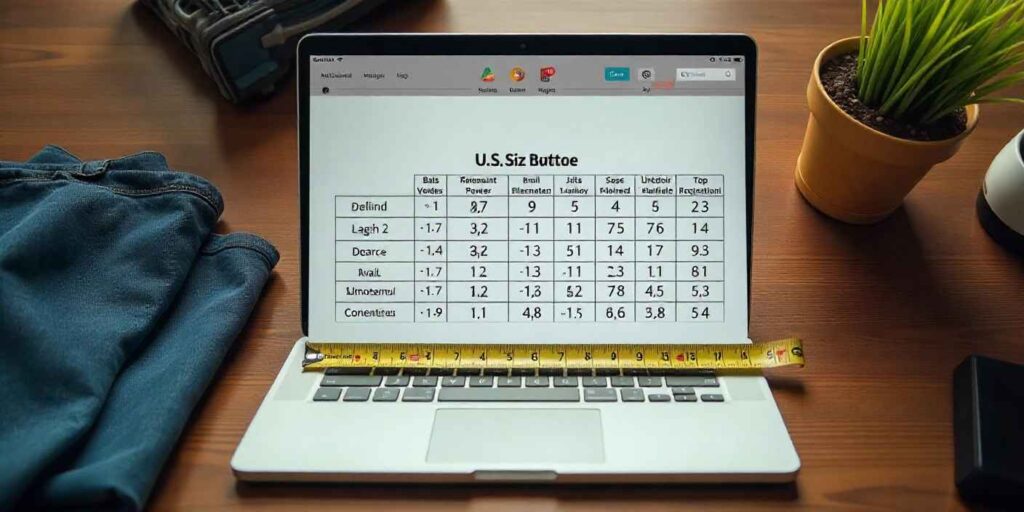
Use a t shirt size chart with pit-to-pit (chest), t shirt length measurement, and sleeve opening circumference to predict fit.
Compare those numbers to a tee you already love. That’s the easiest way to catch a bad fit before the package even arrives. Stick with inches for U.S. accuracy.
I always recommend measuring a T-shirt you already love instead of relying only on body measurements. Matching garment measurements gives far more accurate results.
How to measure yourself accurately at home
Grab a tape and follow a how to measure for t shirt size routine: chest and how to measure chest for t shirt, shoulders (shoulder-to-shoulder), and length. Then compare to numeric vs letter sizes on a brand chart. Measure a favorite tee too for a direct garment match. Small differences change comfort, so aim within 0.5–1 inch.
When to size up and when to size down
Use size up or size down t shirt cues: if you see signs your t shirt is too tight, pick a larger size or looser cut; if it’s sloppy, go down. Balance comfort vs style and note true to size meaning t shirts differs by brand. This is usually the moment you realize whether the shirt truly fits your body or not. Fit beats the number on the tag.
Brand variations: why a medium isn’t universal
Expect brand size differences t shirts and shifting patterns between labels. Vanity sizing and slim cut brands vs classic cut tees make letters unreliable. Cross-check inches, especially across European vs US t shirt sizing. Your best bet is measuring a tee you like and matching specs.
Graphic tees and prints: how artwork affects fit
Large prints reduce stretch and can feel tighter across the chest, shaping graphic t shirt fit considerations. Stiff ink lowers breathability, and sometimes fabric can become see-through when overstretched. Screen prints tend to be softer than thick heat‑press blocks. Factor print stiffness into size choices.
Layering reality check: solo, under shirts, under jackets
Account for layering a t shirt under a shirt or jacket by adding ease in sleeves and chest. Confirm where should t shirt sleeves hit so they don’t bunch under layers and test mobility with reach moves for comfort. If layering often, pick slightly longer hems. Smart sizing stops midlayer squeeze.
Common mistakes that make a tee feel too small
Common mistakes include:
- Drying on high heat
- Ignoring fabric content before buying
- Assuming every “Medium” fits the same
- Not checking shrink percentage
- Skipping movement tests before removing tags
Top common t shirt fit mistakes include hot dryers, ignoring fabric content, and assuming all “M”s fit the same.
Washing instructions affect t shirt fit, and a shirt that’s already shrunk can sometimes be salvaged if you act fast before it shrinks any further.
This is also where a lot of people mix up a bad fit with a fabric problem. Fix the cause, not just the size. If a shirt has already shrunk beyond repair, you can also repurpose it into a T-shirt quilt instead of throwing it away.
Quick fixes for a tight tee: stretch, restyle, or tailor
Try how to stretch a cotton shirt with a cool soak and flat stretch, or attempt how to unshrink a shirt if heat caused the problem. You can also test how to make a shirt bigger with careful wet blocking, or go pro with tailoring a t shirt (sleeve opening and hem tweaks). Restyling with open layers buys time. Always test on an affordable tee first.
Prevention plan: laundering and care to avoid shrinkage
Smart laundering protects fit: cold wash, gentle spin, reshape, then hang dry or low heat. Know your shrink percentage by fabric and buy with that in mind.
Pre-wash before hemming or altering to lock the final size. Rotate tees so fabric recovers between wears.
If you’re investing in quality tees, choosing pre‑shrunk cotton or cotton‑blend fabric can save you from future sizing issues.
Return/exchange strategy when the size isn’t right
Check return policy for the wrong t shirt size and keep the tags on until you decide. Use a t shirt size calculator or your own measurements to answer what size t shirt should I wear and what size t shirt am I on the next order. If you documented fit, exchanges are smooth. This gives you a safety net while you figure out whether the fit is actually wrong.
Conclusion: Your no‑guesswork path to a great tee fit
Great fit isn’t magic. It comes down to a few simple checks you can repeat every time. Scan seams for pulling lines, confirm the shoulder seam lands at the acromion, and make sure the hem isn’t riding up when you reach.
Compare your measurements to the brand’s size chart, then do a quick movement test to make sure it works in real life. Balance slim fit, regular fit, or relaxed fit to your build and style. Consider fabric, too: 100% cotton can tighten, while blends change drape and recovery.
Wash in cold water, go easy on heat, and rotate your tees so they keep their shape longer. If a graphic print stiffens the chest, plan for a touch more room. When you’re between sizes, prioritize shoulders and sleeve opening.
With these habits, you’ll confidently spot a tight tee before it becomes a problem — and choose shirts that actually feel good all day.
A well-fitting T-shirt should move with you, not fight you. Once you know these checks, you’ll never second‑guess your size again.
FAQ’s
What is the 3-3-3 rule for clothing?
Think of 3-3-3 as a mini capsule: 3 tops, 3 bottoms, 3 shoes you can mix into tons of outfits. Pick tees with clean drape, easy layering a t shirt under a shirt, and a quick fit test (check shoulder seam and hem) so every piece works hard.
How tight should a tee shirt be?
Aim for “close, not clingy”—per how should a t shirt fit, you should pass a 1–2 in pinch test at chest and belly. The two‑finger test at the collar should pass, and the sleeve opening shouldn’t dent your biceps—a comfortable snug fit.
How far down should my t-shirt go?
Your tee should land around mid‑fly or just below your belt—classic guidance for how long should a t shirt be relative to your torso length. Do a reach test; if it’s riding up and flashing skin, choose a longer hemline or tall sizing.
How to tell if a shirt fits without trying it on?
Match a favorite tee’s inches to the brand size chart—compare pit‑to‑pit, body length, and sleeve opening (aim within 0.5–1 in). Factor fabric (e.g., 100% cotton may shrink) and check the return policy for wrong t shirt size just in case.

I'm Habib founder of Goku Fashion Outfit Style and a boutique owner with over 10 years in the fashion industry. I've styled thousands of real clients, run a fashion business from the ground up, and now I'm sharing everything I know through this blog. My goal is simple: help you dress better, shop smarter, and understand fashion in a way that actually makes sense for your life.
- Habib

- Habib
- Habib
- Habib